
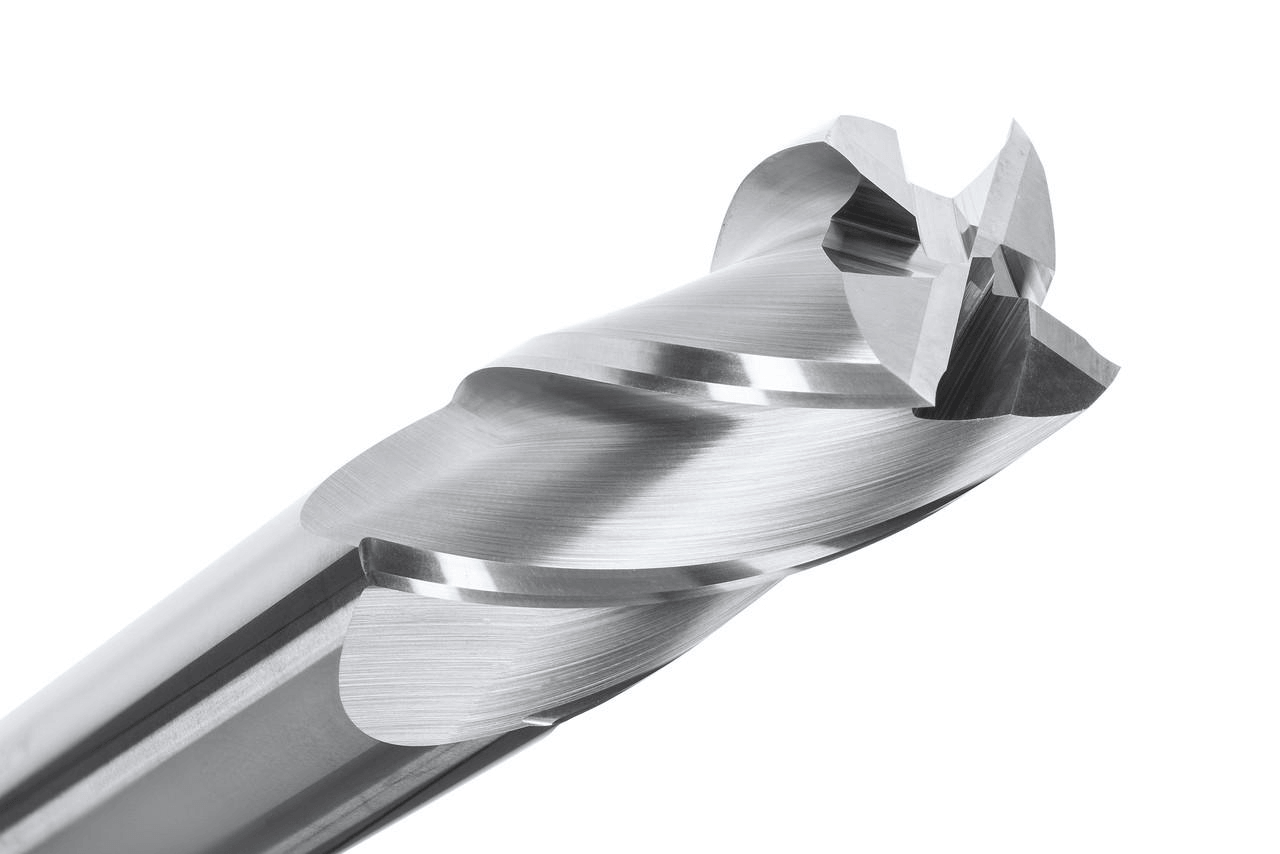
Milling cutters are essential cutting tools used in metalworking, mechanical manufacturing, automotive production, and industrial machining. They remove material from a workpiece through rotary cutting, allowing manufacturers to produce flat surfaces, slots, grooves, profiles, and complex shapes.
Different milling operations require different cutter designs, materials, and cutting geometries. Choosing the right milling cutter can improve machining accuracy, increase productivity, and extend tool life.
In this guide, we will introduce common types of milling cutters, their applications, materials, and important factors to consider when selecting the right tool.
1. What Are Milling Cutters?
A milling cutter is a rotary cutting tool equipped with multiple cutting edges. It works with a milling machine or CNC machining center to remove material from a workpiece.
Unlike drilling tools, which primarily create holes, milling cutters can machine surfaces in multiple directions depending on the tool design and machine configuration.
Common milling operations include:
- Face milling
- Slot milling
- Side milling
- Profile milling
- Shoulder milling
- Contour machining
Milling cutters are available in different diameters, tooth configurations, shank designs, and materials to meet various production requirements.
2. Common Types of Milling Cutters
Different milling cutters are designed for specific machining operations.
End Mills
End mills are among the most widely used milling tools. They have cutting edges on the end and sides, allowing them to machine slots, pockets, shoulders, and profiles.
Common designs include flat end mills, ball nose end mills, and corner radius end mills.
They are widely used in CNC machining, mold manufacturing, and precision component production.
Face Mills
Face mills are designed primarily for machining flat surfaces. Their cutting edges are positioned around the face and circumference of the cutter.
They are commonly used to remove material from large workpiece surfaces and achieve consistent surface finishes.
Slot Drills
Slot drills are designed for producing slots, grooves, and pockets. Many two-flute designs provide good chip evacuation and are suitable for plunge entry under appropriate cutting conditions.
They are commonly used in general machining and CNC milling operations.
Side and Face Cutters
These cutters have teeth on their sides and circumference, allowing them to machine slots and side surfaces.
They are particularly useful for machining wider grooves and specific profiles in industrial components.
Ball Nose End Mills
Ball nose end mills feature a rounded cutting tip and are widely used for three-dimensional surface machining.
They are commonly applied in mold making, die manufacturing, curved surface machining, and complex contour finishing.
3. Common Materials Used in Milling Cutters
The cutter material directly affects hardness, wear resistance, toughness, and machining performance.
High-Speed Steel (HSS)
HSS milling cutters offer a good balance of toughness, hardness, and cost.
They are suitable for general-purpose machining and applications where moderate cutting speeds are acceptable.
HSS cutters are commonly used in conventional milling machines and certain specialized machining operations.
Cobalt High-Speed Steel (HSS-Co)
Cobalt-containing high-speed steel, such as M35, provides improved hot hardness and wear resistance compared with many conventional HSS grades.
It can be considered for more demanding cutting applications involving harder materials or higher thermal loads.
Solid Carbide
Solid carbide milling cutters offer high hardness, wear resistance, and excellent dimensional stability under suitable machining conditions.
They are widely used in CNC machining and high-productivity manufacturing.
However, carbide tools are generally more brittle than HSS tools and require suitable machine rigidity and cutting conditions.
4. Common Milling Cutter Coatings
Surface coatings can improve wear resistance and reduce friction under suitable machining conditions.
Common coating options include:
- TiN (Titanium Nitride): A widely used coating that improves surface hardness and wear resistance.
- TiAlN (Titanium Aluminum Nitride): Provides good oxidation resistance and is suitable for demanding cutting conditions.
- AlTiN (Aluminum Titanium Nitride): Offers high-temperature performance for certain industrial machining applications.
- TiCN (Titanium Carbonitride): Provides good wear resistance and is used in various milling applications.
The appropriate coating depends on the workpiece material, cutting speed, lubrication, and machining environment.
5. How to Choose the Right Milling Cutter
Selecting a suitable milling cutter requires considering several factors.
1. Workpiece Material
Determine whether you will machine carbon steel, stainless steel, aluminum, cast iron, or other materials. Different materials require different cutting geometries and tool properties.
2. Machining Operation
Identify whether the task involves face milling, slotting, profiling, pocketing, or finishing. The cutter design should match the intended operation.
3. Cutter Diameter and Length
Select an appropriate diameter and cutting length according to the workpiece dimensions, machining depth, and machine capacity.
4. Number of Flutes
The number of flutes influences chip space, tool rigidity, and cutting performance. Fewer flutes can provide more chip space for materials that produce larger chips, while more flutes may be suitable for certain finishing operations.
5. Tool Material and Coating
HSS is suitable for many general-purpose applications, while HSS-Co and solid carbide may be preferable for more demanding machining conditions.
6. Tips for Improving Milling Performance
Proper machining practices help improve cutter performance and extend tool life.
- Use suitable cutting speeds and feed rates.
- Ensure the cutter is securely installed in the tool holder.
- Select appropriate coolant or lubrication conditions.
- Avoid excessive tool overhang whenever possible.
- Remove chips effectively to prevent recutting.
- Inspect cutting edges regularly for wear or damage.
- Choose the correct cutter geometry for each machining operation.
These practices can help reduce tool wear, improve surface quality, and maintain consistent production results.
Conclusion
Milling cutters are essential tools for producing accurate surfaces, slots, profiles, and complex mechanical components. Understanding different cutter types, materials, coatings, and machining requirements helps users select suitable tools for their applications.
Whether you need HSS milling cutters, cobalt cutters, or solid carbide end mills, choosing the right specifications and a reliable manufacturer is important for achieving stable machining performance.
TAPMEC supplies milling cutters for international distributors, wholesalers, and industrial customers. We offer various tool specifications and material options to support different machining requirements.
Contact TAPMEC to discuss your milling cutter requirements and explore suitable product solutions.


