
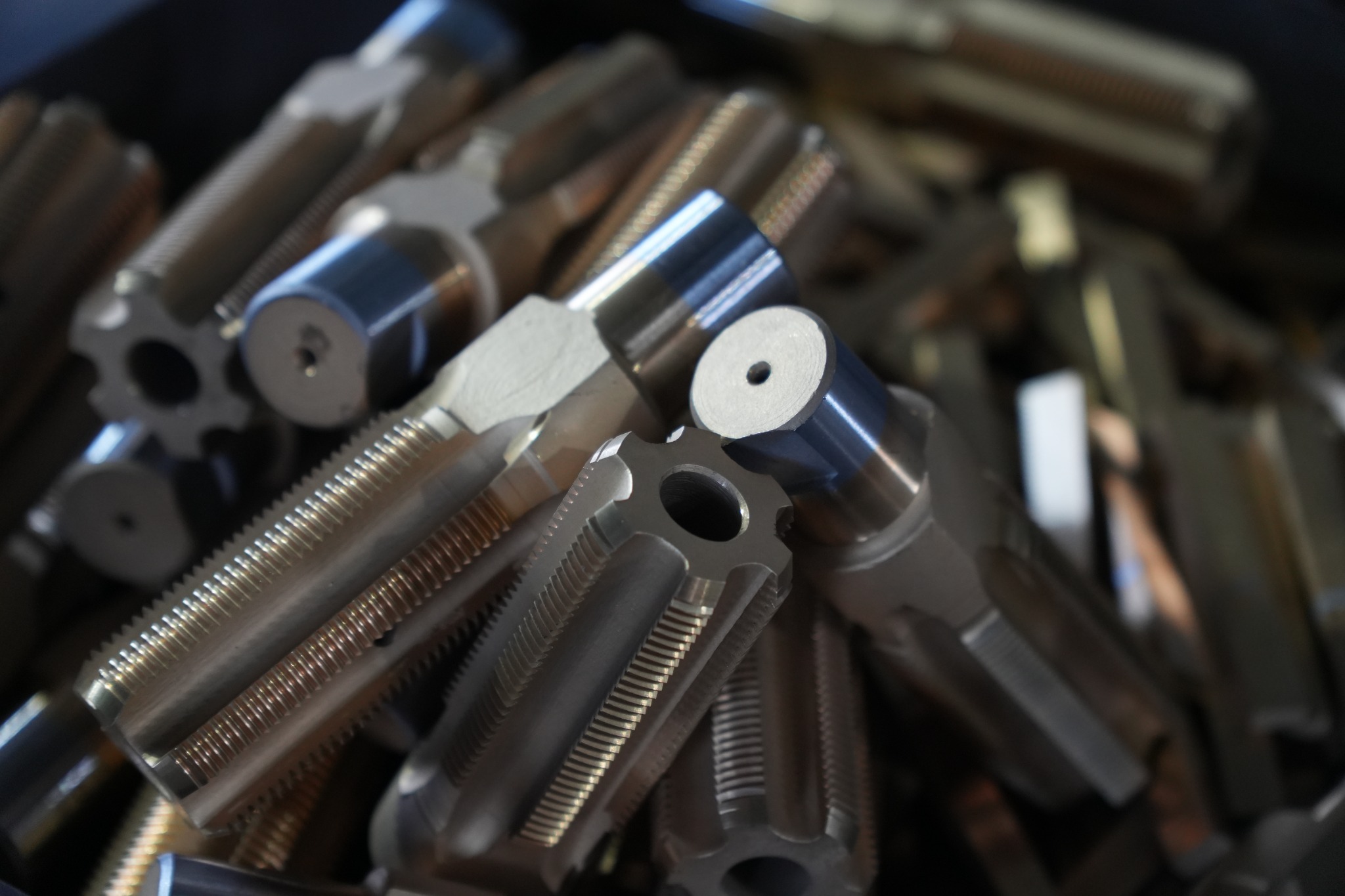
Radiator manufacturing requires reliable threaded connections for assembly, sealing, valve installation, and connection to heating systems. In sectional radiators, individual sections may be connected together to form a complete heating unit. Threaded ports are also required for plugs, air vents, valves, and pipe fittings.
Taps used in radiator production must therefore produce threads that are consistent, clean, and suitable for repeated assembly. The correct tap depends on the radiator material, thread form, hole type, production method, and sealing requirement.
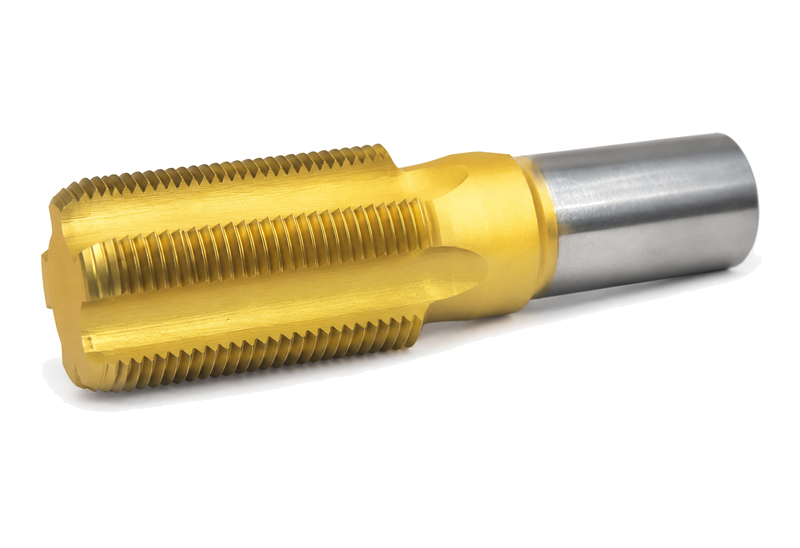
1. Where Taps Are Used in Radiator Manufacturing
Tapping is commonly required in several areas of radiator production.
Individual radiator sections may contain internal threaded ports for connecting nipples or fittings. End sections may also require threads for inlet and outlet connections, blanking plugs, air-release valves, or thermostatic valve components.
Typical threaded locations include:
- Section connection ports
- Water inlet and outlet ports
- Air vent holes
- Blanking plug holes
- Valve connection holes
The exact thread specification depends on the radiator design and target market.
2. Radiator Materials Affect Tap Selection
Radiators may be manufactured from cast iron, aluminum alloys, steel, or combinations of different materials.
Cast iron produces short, brittle chips and can be abrasive to cutting tools. Straight flute taps are often suitable because aggressive chip lifting is usually unnecessary. Wear resistance is important, especially in large production batches.
Aluminum requires a different approach. It can produce sticky chips and may adhere to the cutting edge. Taps with sharp cutting geometry, smooth or polished flutes, and suitable lubrication can help reduce material buildup.
Steel radiator components normally require taps with good toughness and stable cutting edges.
3. Thread Forms Used in Radiator Connections
Radiator connections may use parallel or tapered threads depending on the component and sealing method.
Common heating-system connections can include BSP-type pipe threads, metric threads, and manufacturer-specific thread forms. Some sectional radiator connections also use special nipple threads designed for joining radiator sections.
The tap must match the required thread standard. Pitch, thread angle, diameter, and taper must be controlled correctly.
An incorrect tap may lead to loose assembly, poor sealing, excessive installation torque, or damaged connections.
4. Taps for Radiator Section Connection Holes
Sectional radiators are built by joining individual sections together. Their connection areas must align accurately so that the assembled radiator forms a leak-resistant water passage.
When internal threads are required, the tap must produce consistent geometry across every section.
In mass production, even small variations in thread diameter can create assembly problems. For this reason, manufacturers should control tap tolerance, machine alignment, hole diameter, and tool wear throughout the batch.
5. Straight Flute Taps for Cast Radiator Components
Straight flute taps are often suitable for cast iron and other short-chipping materials.
The straight flute provides a strong, simple cutting geometry. Since cast iron chips tend to break into small particles, there is often less need to pull chips upward with a high-helix flute.
For through holes or relatively shallow threaded ports, straight flute machine taps can provide stable production.
HSS-Co or carbide taps may be selected when longer tool life is required. Carbide performs best when machine rigidity and alignment are well controlled.
6. Tapping Aluminum Radiator Sections
Aluminum radiator sections are widely used because of their low weight and good heat-transfer characteristics.
During tapping, aluminum can adhere to the cutting edge and create built-up material. This can increase torque and damage the thread surface.
Taps designed for aluminum may use polished flutes, sharp rake geometry, and low-friction surfaces.
For through holes, spiral point taps can help push chips forward. For blind holes, spiral flute taps may pull chips back toward the hole entrance.
The best geometry depends on the actual radiator design and alloy.
7. Pre-Drilled Hole Accuracy Is Critical
The quality of the tapped thread begins with the hole before tapping.
If the hole is too small, the tap removes too much material, increasing torque, heat, and the risk of breakage.
If the hole is too large, the thread may not provide sufficient engagement for reliable assembly and sealing.
Radiator production therefore requires consistent drilling or casting dimensions before tapping.
8. Sealing Performance and Thread Quality
Radiator connections carry heated water, so thread quality affects more than assembly convenience.
Poor thread geometry can contribute to leakage or inconsistent fitting engagement. The tap should produce clean flanks without excessive tearing, burrs, or dimensional variation.
Manufacturers may inspect threads using gauges, sample fittings, dimensional measuring equipment, and pressure testing of the completed radiator.
Tapping should therefore be treated as part of the radiator sealing system.
9. Machine Tapping for High-Volume Production
Radiator factories often produce large quantities of similar components, making machine tapping more practical than manual tapping.
Dedicated tapping machines, drilling and tapping machines, or CNC equipment can provide controlled spindle speed, feed, and depth.
Tool wear must be monitored because a worn tap may continue cutting while gradually producing threads outside the preferred size range.
Regular inspection and planned tool replacement help maintain consistent assembly quality.
10. Choosing the Right Tap Material
HSS taps provide a practical balance of toughness and cost for many radiator applications.
HSS-Co offers better wear resistance for more demanding production. Carbide may provide longer life in abrasive materials, but it requires rigid machines and accurate alignment.
The tap material should therefore be selected according to radiator material, production volume, machine condition, and cost per threaded hole.
Conclusion
Taps used in radiator manufacturing produce the threaded connections needed for section assembly, valves, plugs, vents, and heating-system fittings.
Straight flute taps are often suitable for cast iron, while aluminum components may benefit from sharper geometry, polished flutes, and improved chip control.
Reliable radiator tapping also depends on accurate pre-drilled holes, proper lubrication, stable machine alignment, controlled tap tolerance, and regular inspection.
For high-volume radiator production, matching the tap to the workpiece material and connection design can improve thread consistency, reduce tool breakage, support reliable sealing, and make radiator assembly more efficient.


