For global pet product importers, selecting the right cat litter factory is the foundation of a stable supply chain and long-term brand success. Countless cat litter factories offer OEM and ODM services in the market, making it difficult for buyers to distinguish reliable partners from unqualified suppliers. Comparing core capabilities—including production capacity, raw material sourcing, quality control systems, packaging capability, and export experience—helps avoid issues such as delivery delays, quality inconsistencies, and hidden costs. This article will sort out the core comparison dimensions and provide a practical factory-audit checklist to help buyers streamline the supplier selection process.
📊 Core Comparison Dimensions for Cat Litter Factories
1. Production Capacity & Delivery Stability
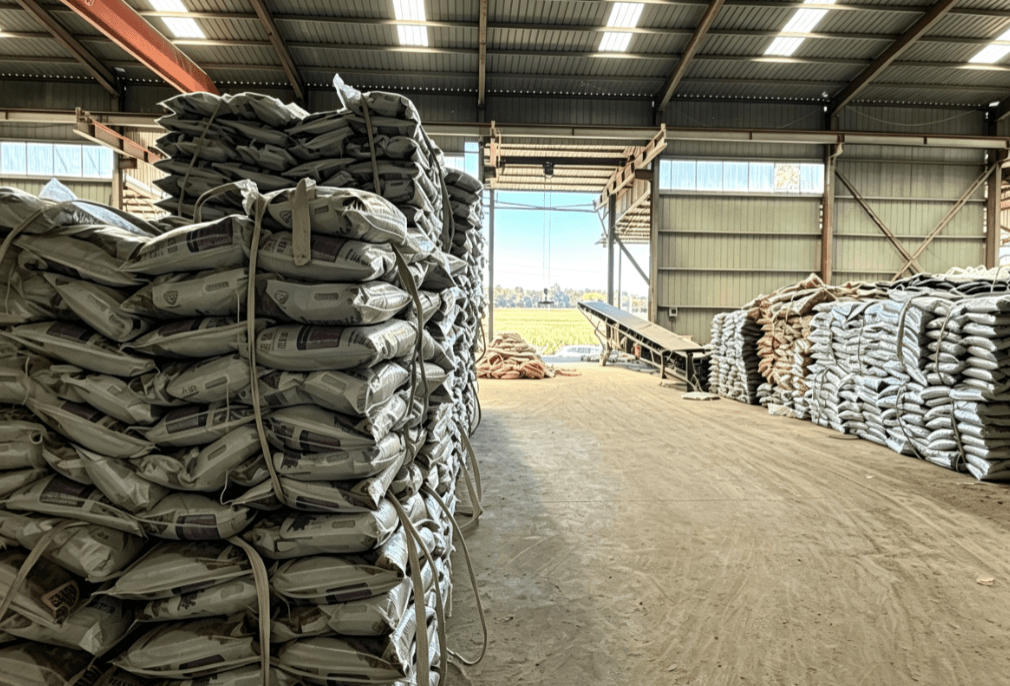
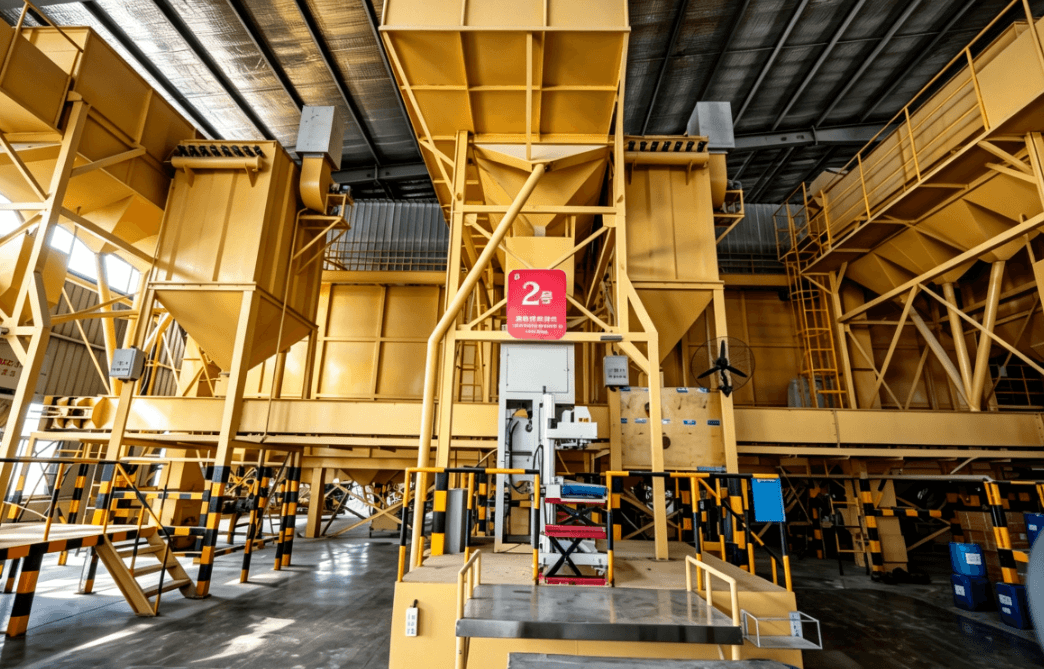
A factory’s actual production capacity directly determines whether it can meet your order demands, especially during peak procurement seasons. Do not be misled by theoretical peak capacity; instead, focus on the average monthly output over the past 12 months, which reflects the factory’s real operational capability. Reliable cat litter factories are equipped with multiple production lines and reasonable inventory reserves, ensuring on-time delivery even for large-volume orders. For long-term cooperation, prioritize factories with dual production bases to reduce supply chain risks caused by regional power outages or regulatory inspections.
2. Raw Material Sourcing & Product Stability
High-quality raw materials are the core of premium cat litter. Compare the raw material sourcing channels of factories: reputable suppliers use food-grade or high-purity materials (such as bentonite, cassava fiber, and tofu pulp) with stable supply sources. Factories with strict incoming raw material inspection protocols can ensure consistent product performance across every batch—from clumping speed and dust control to water absorption rate. Unqualified factories often cut corners on raw materials, leading to fluctuating product quality and customer complaints.
3. Quality Control (QC) Systems & Test Reports
A rigorous QC system is essential for export-oriented cat litter. Compare the inspection processes of factories: reliable suppliers conduct comprehensive testing covering physical performance (clump compression resistance, dust content, particle completeness), chemical safety (heavy metal content, formaldehyde residue, bacteria and mold count), and shipping adaptability (72-hour constant humidity simulation test). Official test reports (such as COA) should be provided for each batch to ensure compliance with global import customs and market access requirements. Avoid factories without independent QC teams or complete testing records.
4. Packaging Capability & Customization Flexibility
Packaging plays a vital role in product protection and brand promotion. Compare the packaging capabilities of factories: qualified suppliers offer diverse packaging options (resealable zipper bags, export cartons, bulk jumbo bags) and support full-custom plane printing, including brand logos, multilingual safety warnings, and retail patterns. Factories must follow professional export printing norms to ensure clear shipping marks, color consistency, and moisture-proof packaging suitable for long ocean transportation. Weak packaging capabilities may lead to product damage during transit or unprofessional brand presentation.
5. Export Experience & Logistics Support
Experienced cat litter factories are familiar with all details of cross-border trade. Compare their export experience: reliable suppliers have a proven track record of serving global markets, familiar with international shipping procedures, fumigation requirements, and customs documentation (such as MSDS). They can provide professional logistics advice, optimize container loading plans to reduce unit costs, and supply loading photos and videos for every shipment. Factories with limited export experience may cause delivery delays due to unfamiliarity with trade rules or logistics coordination issues.
✅ Cat Litter Factory Audit Checklist for Buyers
Use the following checklist to efficiently evaluate potential cat litter factories:
- Confirm actual monthly production capacity and peak-season delivery guarantee
- Verify raw material sourcing channels and incoming inspection standards
- Check the structure of the QC team, testing procedures, and availability of batch test reports
- Evaluate packaging customization capability, printing quality, and moisture-proof design
- Review export experience, target market coverage, and logistics support services
- Inquire about after-sales solutions for quality issues and order adjustment flexibility
Final Recommendation & Call to Action
Choosing the right cat litter factory requires a comprehensive evaluation of capacity, quality, and service. MiiCat, as an experienced export-oriented cat litter manufacturer, excels in all core dimensions: stable monthly production capacity, strict raw material sourcing processes, full-scope QC testing, flexible packaging customization, and rich export experience serving global buyers. We provide transparent pricing, reliable delivery cycles, and professional after-sales support to help you build a competitive private label brand.


