For global pet wholesalers, regional distributors and pet store chain buyers, the 20ft full container remains the most mainstream shipping choice for bulk cat litter imports. It balances minimum order thresholds, overseas warehouse storage capacity and overall logistics expenditure. Many importers encounter recurring troubles: miscalculating container load capacity, failing to hit legal weight limits, wasting container space, or ending up with uneven pallet stacking that triggers transit damage. While cat litter covers multiple formulas including bentonite, tofu, cassava and wood pellets, all varieties follow unified 20-foot container loading rules. This actionable B2B guide breaks down container volume limits, weight caps, common bag specifications, pallet stacking styles and actionable ways to cut per-unit freight cost, helping purchasers maximize container usage and lock in predictable landed expenses.
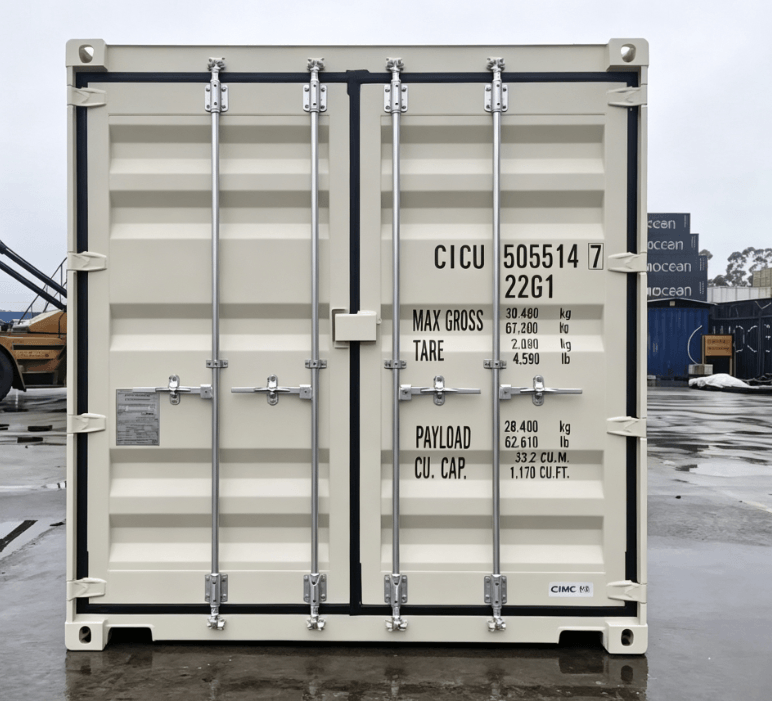
🧮 Core Hard Limits of a Standard 20ft General Container
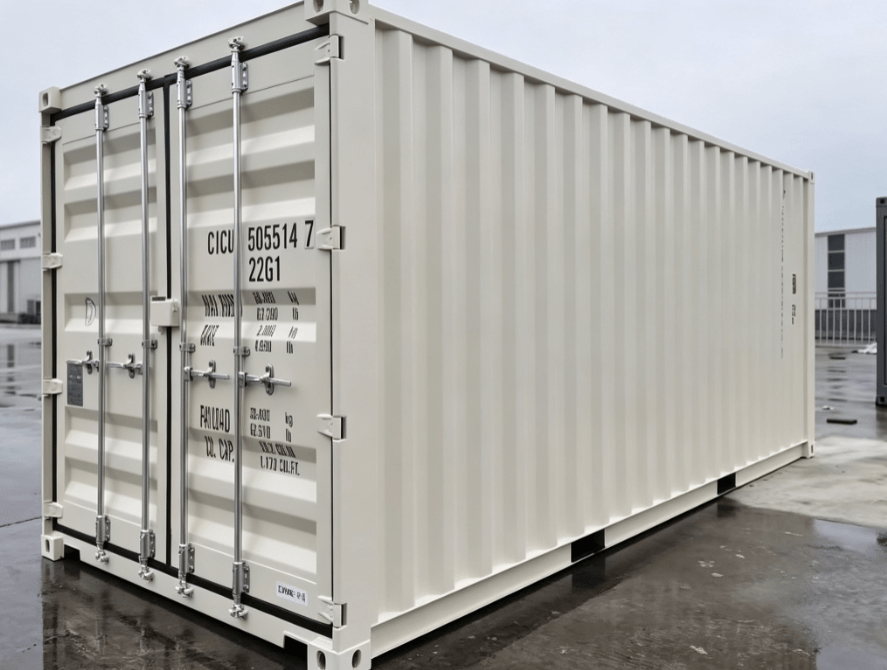
All loading calculations start with two non-negotiable constraints: total weight allowance and internal cubic space. A regular dry 20GP container has internal dimensions of roughly 5.9m long × 2.35m wide × 2.39m tall. Ocean carriers enforce strict maximum payload for cat litter shipments; most shipping lines cap gross cargo weight between 21,000 kg and 22,000 kg for safe marine transport. Overweight cargo incurs heavy overweight surcharges, port refusal or forced offloading. On the opposite end, loading too few bags wastes cubic space and raises the shipping cost allocated to each bag.
Cat litter is dense goods. Bentonite litter has high bulk density, often hitting weight limits before filling up the container height. Lightweight plant-based litter such as tofu and cassava cat litter tends to fill the cubic space first without reaching maximum weight. B2B buyers must confirm both weight and volume simultaneously instead of estimating capacity by space alone. Customs and carrier regulations also differ slightly across ports; Northeast China ports including Dalian and Yingkou apply consistent weight rules for pet commodity exports, with clear documentation required for all loaded weights.
📦 Bag Size Matching: Exact Bag Quantities for Palletized Loading
Most cat litter exporters ship palletized cargo rather than loose loading, as pallets speed up port handling, lower loading labor fees and reduce bag tearing during stacking. Two pallet sizes dominate global shipping: standard 120cm×100cm export pallets and 100cm×100cm compact pallets. The number of cat litter bags per pallet directly decides total container quantity.
Common wholesale cat litter bag specifications include 5lb, 10lb, 20kg and 25kg. For heavy 20kg bentonite cat litter, 4 bags usually fill one pallet layer, with 5 stacked layers per pallet. One full pallet holds 20 bags, weighing 400 kg. A 20ft container fits 24 such pallets, totaling 480 bags and around 19,200 kg, safely under weight limits. For lighter 10lb tofu cat litter, 8 bags form one layer, 6 layers per pallet, reaching 48 bags per pallet. The same 24 pallets equal 1,152 bags; in this case volume fills the container before weight maxes out. Small 5lb retail bags have the highest unit count but require tighter pallet wrapping to avoid slippage.
Two primary pallet patterns apply: column stacking and interlock stacking. Column stacking lines bags straight up and down with stable vertical bearing, ideal for heavy bentonite to prevent bottom bag crushing. Interlock stacking staggers every layer for tighter overall pallet stability, suited for lightweight plant litter prone to sliding during ocean vibration. Mismatched stacking patterns lead to lost pallet capacity or in-transit damage.
🚚 Loading Options: Palletized vs Floor-Loaded, Pros and Cons
Buyers select two mainstream loading modes for 20ft cat litter shipments: full pallet loading and floor loose loading.
Palletized loading is the top pick for B2B importers with warehouses equipped with forklifts. All pallets are pre-wrapped with stretch film and secured with plastic bands at the factory. Loading and unloading only take 1–2 hours at destination ports. Downsides include minor wasted gaps between pallets inside the container, cutting down total load quantity by 5% to 8%.
Floor loose loading eliminates pallets entirely, stacking cat litter bags directly on the container floor. It squeezes in more bags by removing pallet thickness gaps and can boost total cargo volume by nearly 10%. This method fits buyers with manual warehouse unloading and aims to maximize cargo amount. However, loose loading carries higher risks: bag punctures, scattered dust, and longer port labor times, which add destination handling fees. Mixed loading is also feasible: combine multiple cat litter varieties in one 20ft container, with different formulas separated by cardboard dividers on individual pallets for easy sorting.
💰 Practical Tactics to Lower Per-Bag Freight Cost
Freight cost per unit determines final resale profit, and multiple controllable factors cut shipping spending without sacrificing product safety.
First, optimize bag specifications to fit pallet dimensions perfectly. Oversized bags create empty gaps; slightly resized packaging lets more bags fit per pallet, diluting fixed container ocean freight across more units. Second, coordinate consolidation with compatible non-perishable pet goods if allowed by customs, splitting total container fees across more inventory. Third, lock long-term sea freight contracts with freight forwarders for regular monthly 20ft shipments, securing discounted long-term rates compared to spot market prices.
Fourth, choose cost-effective departure ports. For cat litter factories in Liaoning, shipping out of Yingkou or Dalian often delivers lower terminal charges and shorter inland trucking fees than southern ports. Finally, avoid overweight by fine-tuning loading quantities. Adding excess weight triggers penalty fees that erase all cost savings. Adjust the number of pallets marginally to stay within carrier weight caps.
🛒 Final Next Step
Every cat litter shipment has unique variables: your chosen litter formula, retail or wholesale bag size, warehouse forklift availability and destination port rules all alter the optimal 20ft loading scheme. Generic quantity estimates always leave room for error.
If you plan to book a 20ft container of bentonite, cassava, tofu or blended cat litter, reach out to cat litter suppliers to request a customized loading layout plan. A tailored document will detail exact pallet counts, bag totals, gross weight, stacking height and pallet patterns. Alongside the loading breakdown, ask for an all-inclusive unit price covering production, packaging and port charges. With precise loading data and clear formal quotations, you eliminate space waste, overweight risks and hidden fees, fully controlling landed cost for bulk cat litter resale.


